The Shadow of Recurring Accidents at BASF Ludwigshafen: Addressing Safety Concerns
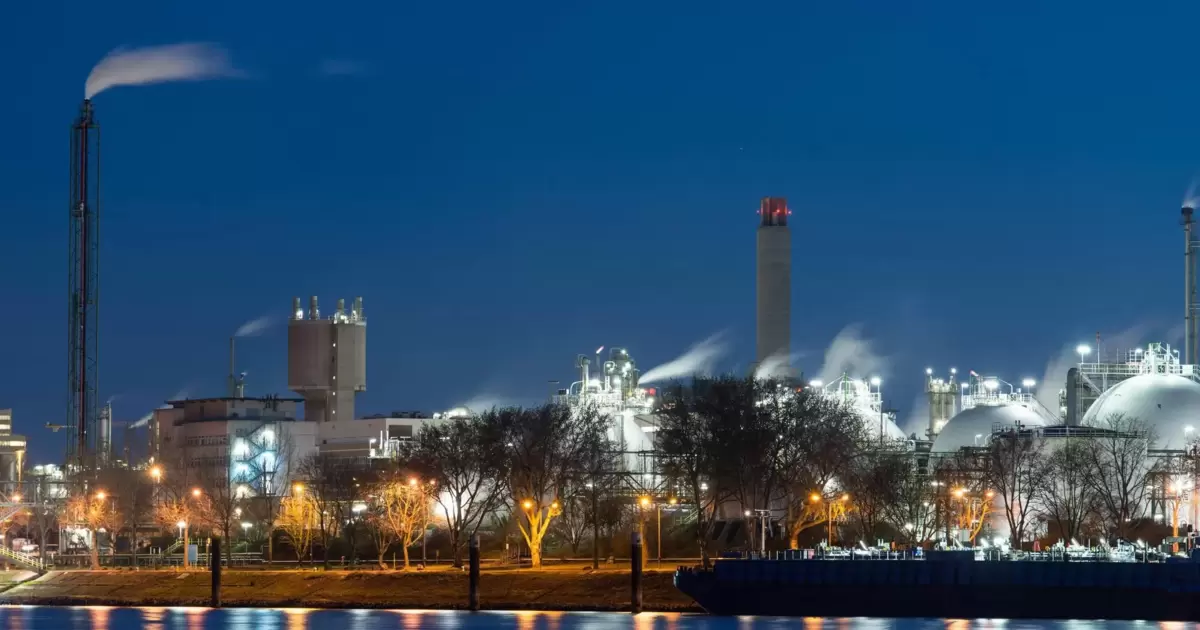
The vast industrial complex of BASF in Ludwigshafen, a global leader in the chemical industry, is an economic powerhouse and a hub of innovation. Yet, even in such a meticulously managed environment, the specter of severe workplace incidents occasionally casts a shadow. Recent events, marked by multiple BASF Ludwigshafen work accidents resulting in serious injuries, have raised significant questions about safety protocols, especially concerning external contractors. These incidents underscore the critical importance of unwavering vigilance and comprehensive safety management in complex industrial settings.
Unpacking the Incidents: A Closer Look at Recent Workplace Hazards
Over a relatively short period, the BASF site in Ludwigshafen has unfortunately been the scene of several grave accidents, each leaving employees of external firms with severe injuries. These incidents, occurring in the North Plant area (Werksteil Nord), highlight diverse risks inherent in large-scale industrial operations, from working at height to infrastructure-related hazards. The recurrence of such events, often involving external personnel, necessitates a closer examination of existing safety frameworks.
The Perilous Fall: A Roof Work Catastrophe
One such severe incident occurred on a Saturday morning, when an employee of an external company suffered grave injuries after falling approximately four meters from a roof. The individual was engaged in roof work within one of the operational units in the North Plant area when the accident transpired. Following immediate medical intervention by a BASF emergency doctor, the worker was stabilized and subsequently admitted to a local hospital for extensive treatment.
Working at height is inherently one of the most hazardous activities in any industrial environment, demanding stringent safety measures, thorough risk assessments, and specialized training. This incident serves as a stark reminder of the potential consequences when these protocols are compromised or unexpected circumstances arise. The exact cause of the fall remains under investigation by the relevant authorities, a crucial step in understanding what went wrong and how to prevent similar occurrences in the future. For more details on this specific event, you can refer to our article: Worker Seriously Injured After 4-Meter Fall at BASF Ludwigshafen.
The Burst Pipeline: An Unforeseen Hazard
Another significant incident involved four employees of external firms who sustained injuries, two of them severe, due to a burst fire extinguishing pipeline. This accident took place in the North Plant area during sealing work on a newly constructed fire extinguishing ring line. Crucially, the line was not yet operational and contained no water at the time of the rupture. Despite being empty, the sudden failure of the 40-centimeter diameter pipe caused significant harm.
The injured individuals received immediate first aid from a BASF emergency doctor. The two seriously injured workers were hospitalized, while the others received treatment for less severe injuries. The responsible supervisory authority, SGD Süd, launched an investigation into the incident, confirming that the work at the affected construction site was halted and secured. This event highlights the often-underestimated dangers associated with even "empty" industrial infrastructure and the importance of thorough safety assessments during all phases of construction and maintenance. Delve deeper into this incident here: Four Injured: Burst Pipeline Incident at BASF Ludwigshafen Investigated.
External Contractors: A Critical Element in Industrial Safety
A recurring theme in these arbeitsunfall basf schwerverletzte events is the involvement of employees from external companies. Large industrial sites like BASF Ludwigshafen frequently rely on specialized contractors for a wide array of tasks, from construction and maintenance to highly technical operations. While this model offers flexibility and access to niche expertise, it also introduces layers of complexity in safety management.
- Standardization Challenges: Ensuring consistent adherence to safety standards across various external firms, each with its own internal protocols, can be challenging.
- Oversight and Communication: Effective oversight of contractor activities and clear communication of site-specific hazards are paramount. BASF, as the principal, has a responsibility to ensure that contractors operate under safe conditions.
- Training and Induction: Adequate site-specific safety training and induction programs for all contractor personnel are crucial to familiarize them with the unique risks and emergency procedures of the BASF complex.
- Shared Responsibility: Safety is a shared responsibility. Both the external company and BASF must work in tandem to identify, assess, and mitigate risks, fostering a culture where safety is prioritized above all else.
Robust contractor management systems, including pre-qualification processes, regular audits, and performance monitoring, are indispensable tools for managing these risks effectively and preventing severe work accidents.
Proactive Safety Measures: Beyond Incident Response
While BASF's prompt emergency medical response, including its own team of emergency doctors, is commendable, the focus must always lean towards prevention. Mitigating the risk of arbeitsunfall basf schwerverletzte requires a multi-faceted and proactive approach that extends beyond merely reacting to incidents.
Key areas for continuous improvement and focus include:
- Comprehensive Risk Assessments: Regular and thorough risk assessments for all tasks, especially those involving height, confined spaces, or complex machinery, must be conducted and updated. These assessments should explicitly consider the unique challenges posed by external personnel.
- Enhanced Training and Competence: Beyond basic safety training, continuous education on task-specific hazards, emergency procedures, and the correct use of personal protective equipment (PPE) is vital for both internal and external staff. Competency validation should be a routine practice.
- Robust Equipment Inspection and Maintenance: Regular and meticulous inspection and maintenance of all infrastructure, including pipelines, roofing, and machinery, are non-negotiable. Even "empty" lines or non-load-bearing structures can pose significant risks if not properly managed.
- Clear Communication and Reporting Culture: Fostering an open culture where near-misses and potential hazards are reported without fear of reprisal is crucial. Learning from these minor events can prevent major accidents.
- Technological Integration: Leveraging technology for real-time monitoring, hazard detection, and even augmented reality for training can significantly enhance safety protocols.
- Regulatory Adherence and Collaboration: Close collaboration with regulatory bodies like the SGD Süd ensures that industrial operations meet and exceed statutory safety requirements, integrating external expertise into the company's safety strategies.
For a company of BASF's stature, maintaining the highest safety standards is not just a regulatory obligation but a moral imperative, safeguarding its workforce and reputation.
Conclusion
The recent severe work accidents at BASF Ludwigshafen, resulting in serious injuries to external contractors, serve as potent reminders of the inherent risks in large-scale industrial operations. While investigations are underway to pinpoint the exact causes, these events underscore the critical importance of robust safety management systems, particularly when integrating external firms into complex work environments. Preventing future arbeitsunfall basf schwerverletzte requires continuous vigilance, comprehensive risk mitigation, rigorous training, and a steadfast commitment to fostering a proactive safety culture across all levels of operation. By diligently learning from every incident and consistently enhancing safety protocols, BASF can reinforce its commitment to protecting its workforce and maintaining its reputation as a responsible global industry leader.