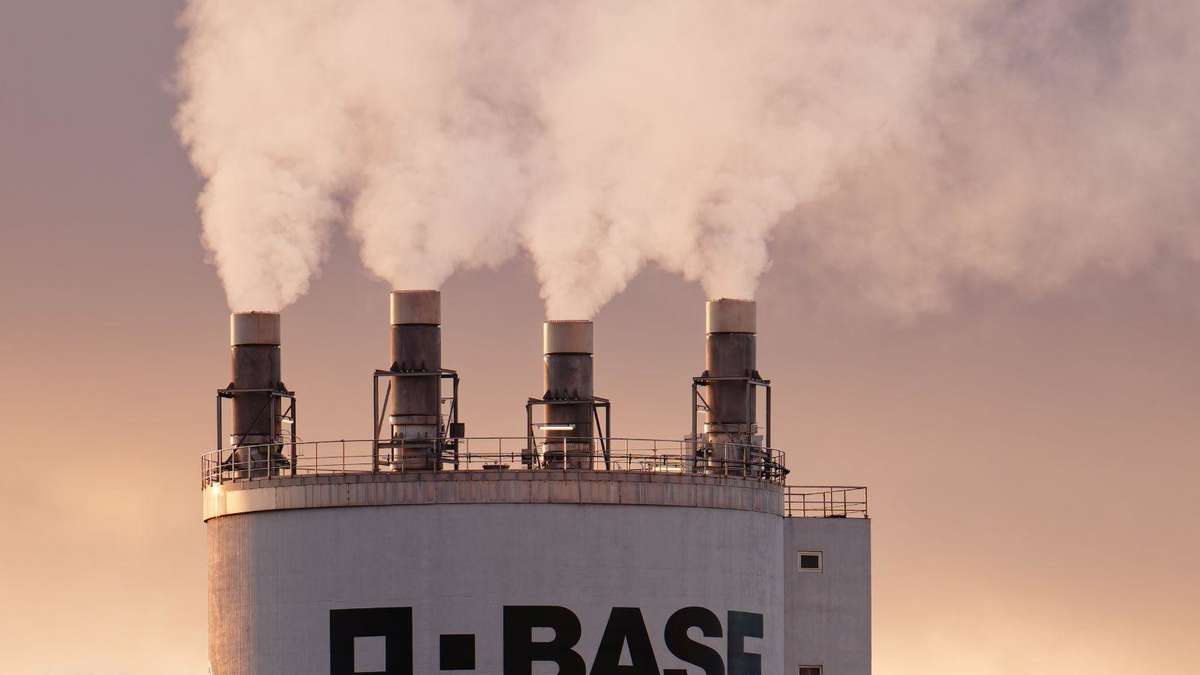
Four Injured: Burst Pipeline Incident at BASF Ludwigshafen Investigated
A recent workplace accident at BASF Ludwigshafen has once again cast a spotlight on industrial safety, leaving four individuals injured, two of them severely. The incident, which occurred in the company's Nord plant section, involved the unexpected bursting of a large, empty fire extinguishing pipeline during sealing work. Authorities are currently investigating the precise cause of this alarming occurrence, which underscores the critical importance of stringent safety protocols even when dealing with seemingly inactive infrastructure.
BASF, a global chemical giant with its sprawling Ludwigshafen site, operates a complex network of industrial facilities where safety is paramount. Yet, incidents like this and others, such as the worker seriously injured after a 4-meter fall at BASF Ludwigshafen, highlight the persistent challenges in maintaining an impeccable safety record across such extensive operations. The company's commitment to safety is continuously tested by the inherent risks of large-scale chemical production and the numerous construction and maintenance projects it undertakes.
The Incident Unfolds: A Burst Pipeline's Impact
The grave incident transpired on a Thursday afternoon, specifically around 2:45 PM, within the Nord plant section of BASF Ludwigshafen. According to initial reports, four employees of external contracting firms sustained injuries while engaged in work on a fire extinguishing pipeline. Among them, two workers suffered severe injuries, necessitating immediate intensive medical care and subsequent hospitalization. The remaining two individuals were also taken to a hospital for treatment of less severe injuries, but thankfully, their conditions did not require extended inpatient stays.
The immediate aftermath saw a rapid response from BASF's emergency services. A dedicated company emergency doctor provided crucial first aid at the scene before the injured were transported to nearby clinics for comprehensive medical attention. This swift action is a testament to the comprehensive emergency response systems that large industrial sites like BASF are mandated to maintain. However, the fact that such an incident occurred at all, particularly during routine maintenance, has raised questions about preventative measures.
All affected individuals were employees of external companies contracted by BASF. This detail often carries significant implications for workplace safety, as external contractors may have less familiarity with site-specific hazards and procedures compared to long-term BASF personnel. Effective contractor management, including thorough onboarding, clear communication of risks, and strict adherence to safety protocols, becomes even more critical in such scenarios.
Unraveling the Cause: An Empty Pipeline's Unexpected Danger
Initial investigations quickly pointed to the cause: a ruptured fire extinguishing pipeline. Specifically, it was an empty, 40-centimeter diameter segment of a newly constructed fire extinguishing ring pipeline that unexpectedly gave way. The incident occurred during sealing work on this very pipeline, which, crucially, had not yet been put into operation and was reported to contain no water.
The concept of an "empty" pipeline bursting might seem counterintuitive, yet it poses significant risks. While the pipeline was not filled with water for operational use, it could still have been subjected to various pressures. Possibilities include:
- Residual Air Pressure: During construction or testing, air might have been introduced into the pipeline and then sealed, creating pressure that could lead to a rupture if not properly vented.
- Hydrostatic Testing: Even if empty at the time of the incident, newly installed pipelines often undergo hydrostatic pressure tests using water or air to check for leaks and structural integrity. If a segment was left with residual pressure or structural weaknesses from a prior test, it could fail later.
- Material Fatigue or Defects: The pipeline material itself might have had pre-existing defects, or the stress of the sealing work could have exacerbated a hidden flaw, leading to a catastrophic failure.
- Construction Stresses: Incorrect installation, misalignment, or uneven stress distribution during the assembly and sealing process could place immense strain on a section of the pipe, causing it to burst.
The responsible supervisory authority, SGD Süd in Neustadt, has confirmed these findings and is leading a comprehensive investigation into the exact sequence of events and underlying causes. Following the incident, all construction work at the affected site was immediately halted, and the area secured and cordoned off to prevent further risk and facilitate the investigation. BASF itself has maintained a cautious stance, confirming the basic facts but refraining from elaborate details on the accident's progression, pending the official investigation outcomes.
Broader Safety Implications at Industrial Giants like BASF
This incident, alongside other recent events like the multiple severe work accidents at BASF Ludwigshafen that raise safety concerns, highlights a critical area of focus for industrial behemoths. The sheer scale of operations at facilities like BASF Ludwigshafen—one of the largest integrated chemical sites in the world—means that the potential for accidents, even with rigorous safety protocols, is ever-present. Each BASF work accident with severe injuries serves as a stark reminder of the continuous need for vigilance, innovation, and unwavering commitment to safety at all levels.
The particular vulnerability of external contractors is a recurring theme in industrial accidents. These workers often operate in unfamiliar environments, sometimes under tight deadlines, and may not always receive the same level of site-specific training or induction as permanent employees. It is imperative that companies like BASF extend their robust safety culture and oversight to all individuals working on their premises, regardless of their employment status. This includes clear communication of all potential hazards, comprehensive safety briefings, and consistent supervision.
Furthermore, incidents involving infrastructure that is "not yet operational" or "empty" underscore a common misconception that such assets pose minimal risk. In reality, pipelines, tanks, and other industrial components are often most dangerous during construction, commissioning, decommissioning, or maintenance phases, when their status can fluctuate, and unexpected energies (like residual pressure) can be present. Implementing robust permit-to-work systems, lockout/tagout procedures (LOTO), and thorough risk assessments for every phase of a project is crucial.
Enhancing Workplace Safety: Lessons Learned and Proactive Measures
While investigations are ongoing, every serious industrial incident at BASF offers valuable lessons for the entire industry. Preventing future occurrences demands a multi-faceted approach:
- Comprehensive Risk Assessments: Before any work begins, especially on new or modified infrastructure, detailed risk assessments must identify all potential hazards, including those associated with "empty" or "non-operational" systems.
- Enhanced Contractor Management: BASF and similar companies must ensure that external firms not only meet but exceed safety standards. This includes thorough vetting, mandatory site-specific training, and regular audits of their safety practices.
- Robust Permit-to-Work Systems: Strict adherence to permit-to-work systems ensures that all necessary safety precautions are in place and approved before work commences, particularly for high-risk activities like working on pipelines.
- Material Integrity and Testing: Regular inspections and rigorous testing of new and existing materials are essential to detect latent defects before they can lead to catastrophic failures.
- Pressure Management: For pipelines that are to be sealed or taken out of service, procedures must ensure all residual pressures (air, gas, or liquid) are safely relieved and verified.
- Continuous Training and Awareness: All personnel, including contractors, should receive ongoing training on hazard recognition, emergency procedures, and the specific risks associated with their tasks.
- Incident Learning and Sharing: Beyond investigating individual incidents, companies must cultivate a culture of learning from near misses and actual accidents, sharing insights across departments and with industry peers to prevent recurrence.
The role of regulatory bodies like SGD Süd is also vital. Their independent investigations provide critical oversight, ensuring that companies adhere to safety regulations and that lessons learned are translated into enforceable standards. Public transparency in these investigations fosters trust and promotes accountability.
Conclusion
The burst pipeline incident at BASF Ludwigshafen, resulting in four injured workers, serves as a powerful reminder of the inherent dangers in large-scale industrial operations and the constant need for vigilance in workplace safety. While the specific causes are still under investigation, the event underscores critical areas such as managing external contractors, understanding the nuanced risks of seemingly "inactive" infrastructure, and the paramount importance of thorough risk assessments and safety protocols. As the investigation progresses, all stakeholders will be looking for clear answers and demonstrable commitments to implement enhanced preventative measures. Ultimately, the goal must be to ensure that every individual who steps onto a chemical plant site can return home safely, free from the consequences of a BASF accident causing severe injuries.